🚚 Free Worldwide Shipping on All Orders!Shop Now

$5.24
Original: $14.96
-65%Haiku: Japanese Art and Poetry Boxed Notecard Assortment—
$14.96
$5.24The Story
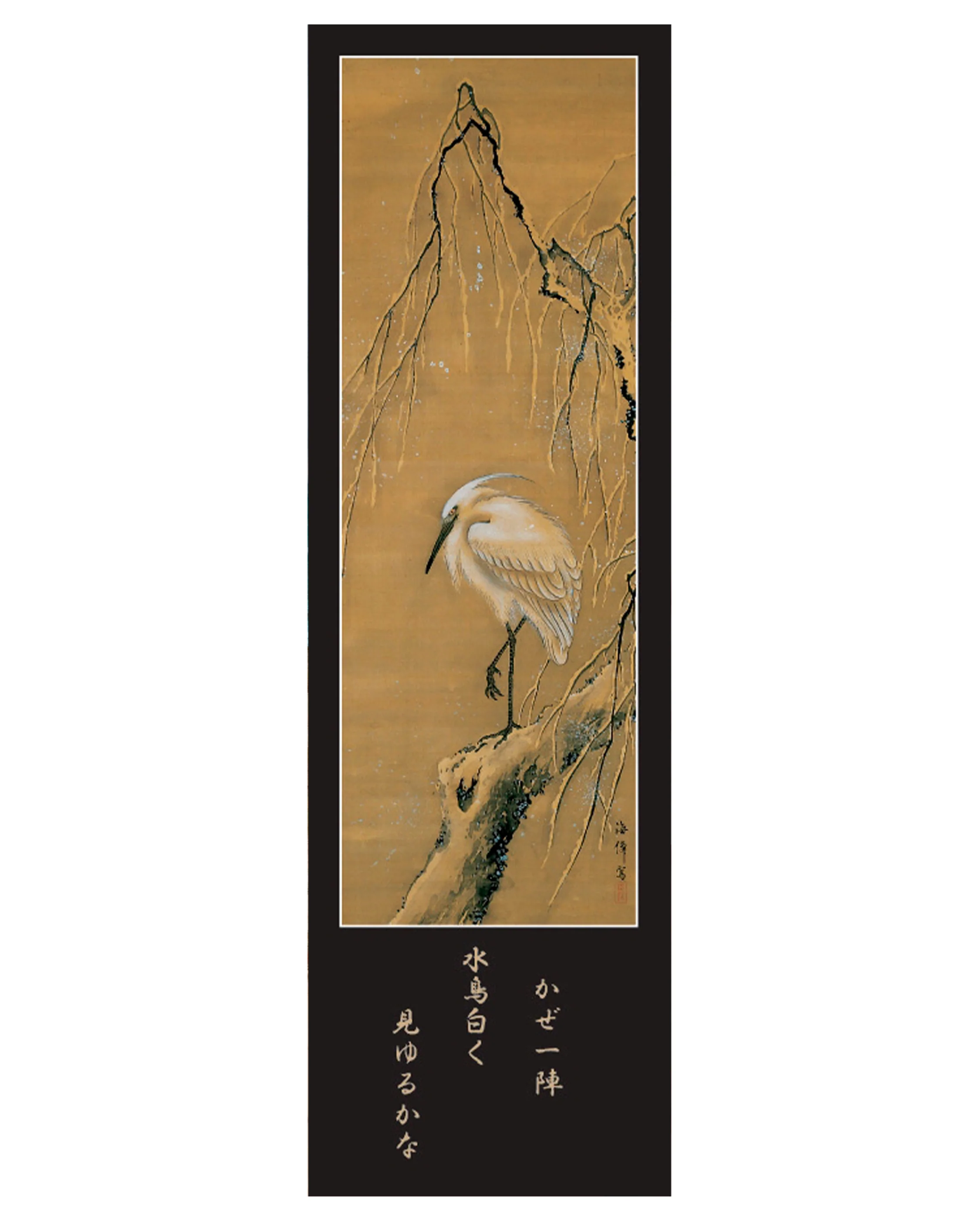
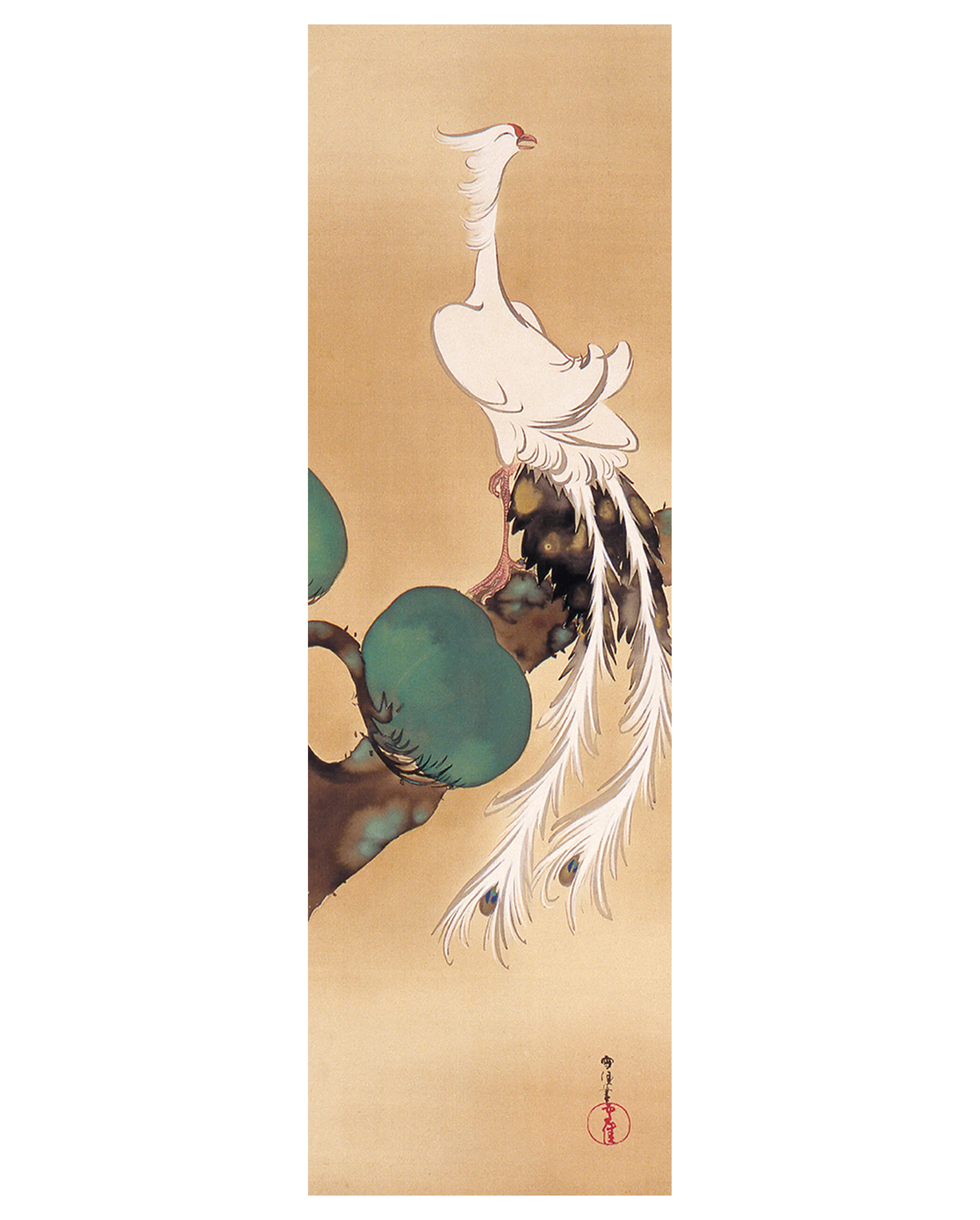
Purest of poems, a haiku contains in its 17 syllables a seasonal allusion as well as a distinct pause or shift. Cherry blossoms and swallows mean spring; red maple leaves and deer convey autumn. Nature and its ephemeral beauty—this is haiku. Japanese woodblock artists have often drawn their water from the same wells of creativity used by haiku poets. A pleasure boat on a moonlit lake, a dozing bird beside a turning leaf—it should surprise no one that Bashō, greatest of haiku poets, was an accomplished painter. Paired here are haikus old and new, with prints from the mid-19th and mid-20th centuries.
Contains five each of the following notecards:
Water Lilies, c. 1930s, by Nishimura Hodō
Blue Birds at Night, early 20th century, by Watanabe Seitei (Shōtei)
Monkey Bridge in Kai Province, #13 from Famous Views of the Sixty-Odd Provinces, 1853–1856, by Andō Hiroshige
Spring Rain at Matsushima, 1936, by Tsuchiya Kōitsu

Details & Craftsmanship
Every detail has been carefully considered to bring you the perfect product.

Details & Craftsmanship
Every detail has been carefully considered to bring you the perfect product.

Details & Craftsmanship
Every detail has been carefully considered to bring you the perfect product.

Details & Craftsmanship
Every detail has been carefully considered to bring you the perfect product.
Description
Purest of poems, a haiku contains in its 17 syllables a seasonal allusion as well as a distinct pause or shift. Cherry blossoms and swallows mean spring; red maple leaves and deer convey autumn. Nature and its ephemeral beauty—this is haiku. Japanese woodblock artists have often drawn their water from the same wells of creativity used by haiku poets. A pleasure boat on a moonlit lake, a dozing bird beside a turning leaf—it should surprise no one that Bashō, greatest of haiku poets, was an accomplished painter. Paired here are haikus old and new, with prints from the mid-19th and mid-20th centuries.
Contains five each of the following notecards:
Water Lilies, c. 1930s, by Nishimura Hodō
Blue Birds at Night, early 20th century, by Watanabe Seitei (Shōtei)
Monkey Bridge in Kai Province, #13 from Famous Views of the Sixty-Odd Provinces, 1853–1856, by Andō Hiroshige
Spring Rain at Matsushima, 1936, by Tsuchiya Kōitsu